Understanding Catalytic Converter Components: A Detailed Overview
A catalytic converter may not look like much from the outside, but it is one of the most valuable parts in a car. Not only does it play a vital role in reducing emissions, but even after it stops working, the value of catalytic converter scrap makes it worth holding on to. Knowing what’s inside and how it functions explains both its price and its importance.
How a Catalytic Converter Works
Every time you start your engine, harmful gases are produced. Carbon monoxide, hydrocarbons, and nitrogen oxides move into the exhaust system. The catalytic converter’s job is to transform these into less harmful emissions before they exit the tailpipe.
This process relies on carefully designed catalytic converter parts. A honeycomb-shaped core is coated with rare metals such as platinum, palladium, and rhodium. These precious metals trigger chemical reactions that break down pollutants. Without them, the converter would not function, and without the converter, cars would release far more toxic gases.
This unique design also explains why the value of catalytic converter scrap remains high. Even when a unit fails, those metals can be recovered and reused.
The Main Parts Explained
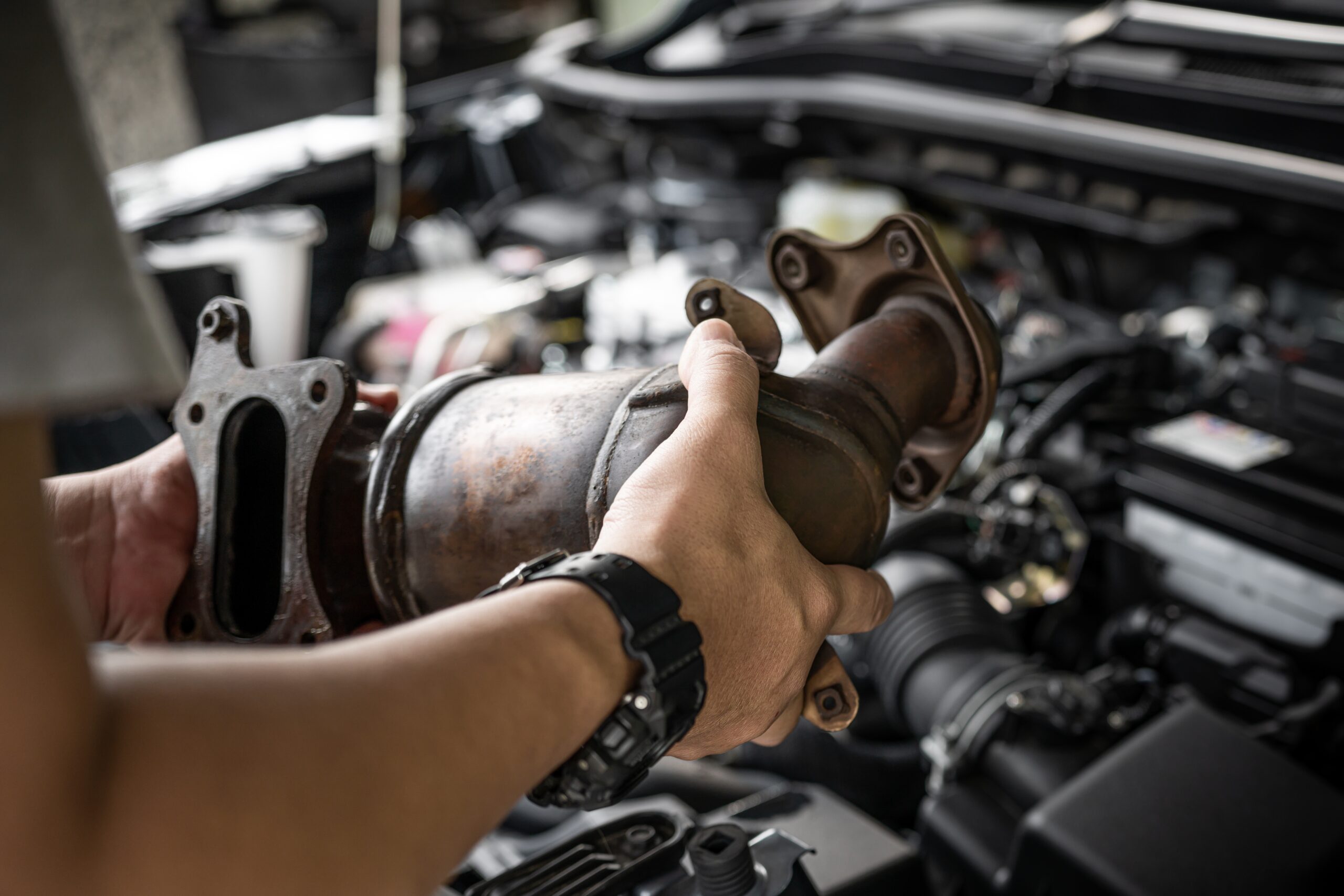
A catalytic converter isn’t a single block of metal but a combination of smaller pieces working together:
- Housing: A stainless steel shell that protects the inner components.
- Substrate: A ceramic or metallic honeycomb core designed to maximize surface area.
- Washcoat: A coating that ensures the even distribution of precious metals.
- Precious Metals: Platinum, palladium, and rhodium, which drive the conversion process.
These catalytic converter parts form a system tough enough to handle extreme heat while efficiently reducing emissions. They also show why converters are sought after for recycling and resale.
Disposal and Recycling
When a converter reaches the end of its life, proper catalytic converter disposal is crucial. Because of the rare metals inside, many regions regulate how they are collected. Licensed recycling facilities ensure these valuable materials are recovered, not wasted.
For car owners, this is a win. Instead of treating a worn-out converter as junk, recycling it provides both a payout and a way to reduce environmental impact. Businesses like Scrap Catalytic specialize in handling this process, making it easy for drivers and shops to turn an old converter into money while ensuring environmentally responsible disposal.
Why Scrap Value Matters
The metals inside converters are used far beyond the auto industry. Electronics, medical equipment, and clean energy technologies all rely on platinum, palladium, and rhodium. As global demand for these resources grows, so does the value of catalytic converter scrap.
For car owners and repair shops, that means an old converter isn’t just a broken part, it’s a recyclable asset. By understanding its components, disposal methods, and market value, you can make informed choices about what to do with it.
If you want to maximize your payout, Scrap Catalytic is your trusted partner. With a database of 10,000+ converter types, we provide accurate quotes based on the real content of platinum, palladium, and rhodium, not averages. Our process ensures honest transactions, fast payments, and competitive market-based rates, so you get the true value of your catalytic converter while recycling responsibly.
- Get a Quote: Send us a photo and converter code. We’ll provide an exact offer based on the scrap value of catalytic converter metals, calculated against live market prices.
- Arrange Pickup or Drop-Off: Choose the option most convenient for you. We serve York Region, Brampton, Mississauga and parts of Toronto, with pickups on standard business days, 8 AM to 5 PM.
- Get Paid Instantly: Once verified, you’ll receive immediate payment.